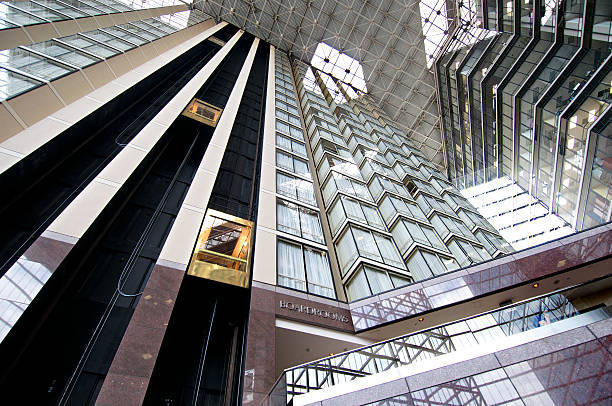
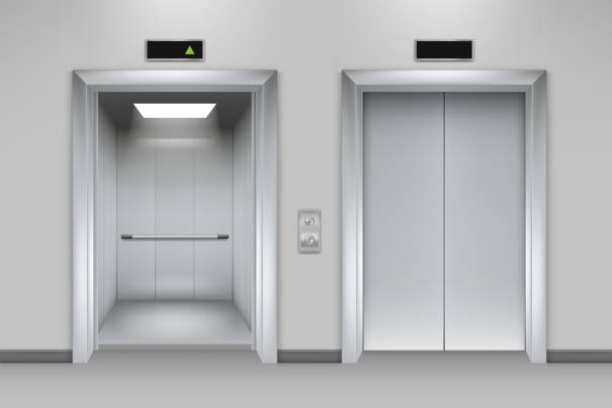
In a tall building, the lifts decide how the building feels to live or work in. Too few cars, the wrong speed or poor dispatch means long queues at 9am, frustrated tenants and complaints to the building manager.
Hub Elevator designs and installs high-rise lift systems across Pakistan for residential towers, office blocks, hotels and hospitals, from the traffic calculation through to commissioning and annual maintenance.
Gearless Traction Lifts: The High-Rise Standard
A gearless machine drives the sheave directly, with no gearbox. It delivers higher speeds, a smoother and quieter ride, lower energy use and less wear. For most towers above about fifteen storeys it is the right choice, and it has the lowest running cost over the life of the building.
Geared Traction Lifts for Mid-Rise Buildings
A geared machine drives the sheave through a gearbox. It suits mid-rise buildings at moderate speeds and can be economical where speed requirements are modest. For taller towers, gearless is normally the better long-term investment.
Machine Room-Less (MRL) Traction
An MRL lift places a compact permanent-magnet machine inside the shaft, so no machine room is needed on the roof. It saves space and construction cost, and suits mid-rise buildings where rooftop space or height limits matter.
Why Hydraulic Lifts Do Not Suit High-Rise Buildings
Hydraulic lifts are pushed up by a piston. They work well for low-rise buildings of up to about five or six floors, but their speed and travel height are limited, and they use more energy per trip. For a high-rise, a traction lift is the correct engineering choice. See our guide to elevator types for the full comparison.
Traffic Analysis and Group Control
The number of lifts, their capacity and speed should come from a traffic calculation, not guesswork. We model peak demand for your building, then specify how many cars you need and how they work together. Group control shares calls across a bank of lifts so passengers wait less. For very tall office buildings, destination dispatch can raise throughput further.
Modernising an Existing High-Rise Lift
An old lift in a tall building does not always need replacing. New controllers and drives can bring reliability and ride quality up to current standards while keeping the car, shaft and structure. See how we did this at SMK Apartments, a 32-storey residential tower, alongside six new high-speed lifts.
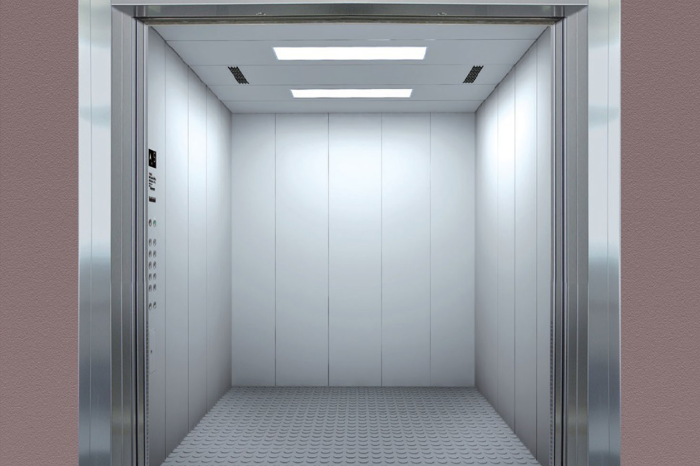
Cargo Elevators
Cargo elevators convey cargo, freight, and items vertically between building floors. These elevators run slower than passenger elevators since they are designed to transport bigger weights.
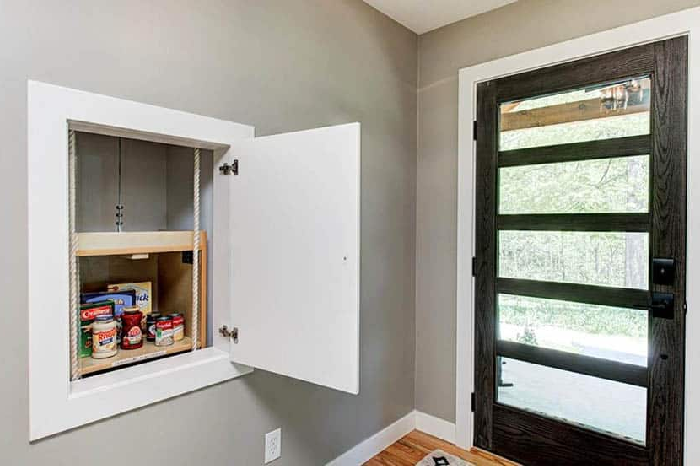
Dumb Waiters Elevators
A dumbwaiter is essentially a miniature elevator built in your home or business, such as a hospital, to allow for convenient transportation of things from one floor to the next.
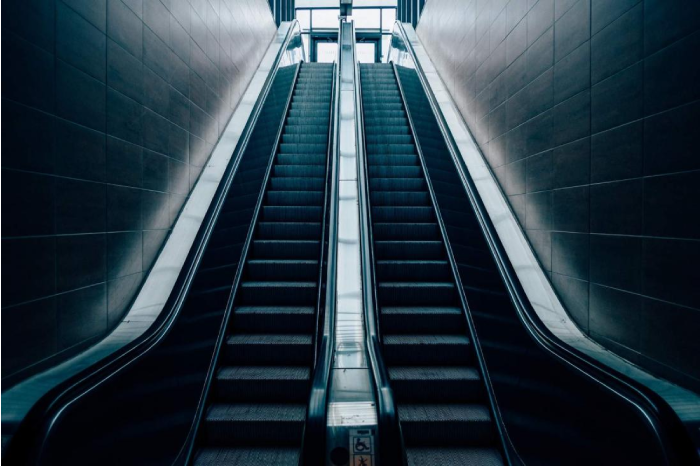
Escalators
Around the world, escalators are frequently employed in situations where lifts would be impracticable or can be used in conjunction with them. Retail malls, airports, transit systems, and public buildings.
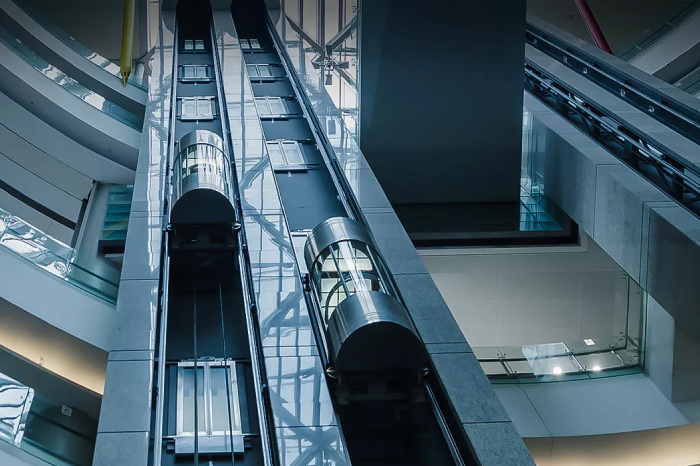
Panoramic Glass Elevator
Panorama elevators are among the most prestigious elevator goods. They can be found in commercial and business areas, hotels, restaurants, and private residences.
Highrise Elevators
As the population is constantly rising, accommodating people is also becoming challenging. Tall buildings are being built everywhere for which high-rise elevators are required.
PASSENGER ELEVATOR
A passenger elevator is any elevator designed to transport people around a building. The size, speed, and interior options of these elevators can vary greatly depending on their intended use
Choosing the Drive for Your Building
Building height
Recommended drive
Typical speed
Up to about 6 floors
Hydraulic or MRL
0.4 to 1.0 m/s
6 to 15 floors
MRL or geared traction
1.0 to 1.75 m/s
15 to 30 floors
Gearless traction
2.5 to 4.0 m/s
30 floors and above
Gearless traction, high-speed
4.0 m/s and above
Guidance only. Final drive, speed and number of cars are set by a traffic calculation for your building.
High-Rise Lift FAQs
What type of lift is best for a high-rise building in Pakistan?
For towers above about fifteen storeys, gearless traction lifts are the standard choice. They are faster, smoother, quieter and cheaper to run than geared machines. Machine room-less traction suits mid-rise buildings, and hydraulic lifts are limited to low-rise buildings of around five or six floors.
How many lifts does a high-rise building need?
It depends on the number of occupants, the building use and peak traffic, not height alone. The correct number, capacity and speed of lifts comes from a traffic calculation, which Hub Elevator carries out as part of every high-rise proposal.
What speed should a high-rise lift run at?
Speed rises with building height. Mid-rise buildings typically use 1.0 to 1.75 metres per second, while towers of fifteen floors and above usually need 2.5 metres per second or more. We specify speed from the travel height and traffic requirement.
What happens to high-rise lifts during load shedding?
Every high-rise lift should have an automatic rescue device that brings the car to the nearest floor and opens the doors on power failure. For critical buildings, lifts can also be connected to standby generator supply so service continues.
Can old lifts in a tower be modernised instead of replaced?
Often, yes. Replacing controllers and drives while keeping the car, shaft and structure can restore reliability and ride quality at a fraction of the cost of full replacement, as at SMK Apartments.
Does Hub Elevator maintain high-rise lifts?
Yes. We offer annual maintenance contracts for high-rise lift systems, with scheduled servicing and breakdown response, from offices in Karachi and Lahore with service coverage across Islamabad and Rawalpindi.
Planning a tower? Get the lift strategy right first
Send us the number of floors, building use and expected occupancy. Our engineers will run the traffic calculation and propose the right number, size and speed of lifts.